
Dogs 18 September 2026 5 min read
My dog ate chocolate. What do I do now?
How much is dangerous, why the first two hours matter, and what we do when you arrive. Written by the vets who take these calls at 10pm.
Out of hours? Call 24/7 01632 960 247
Vaccinations, worming, microchip, neutering and the first trip outside, in the order they happen, with what each one costs here.
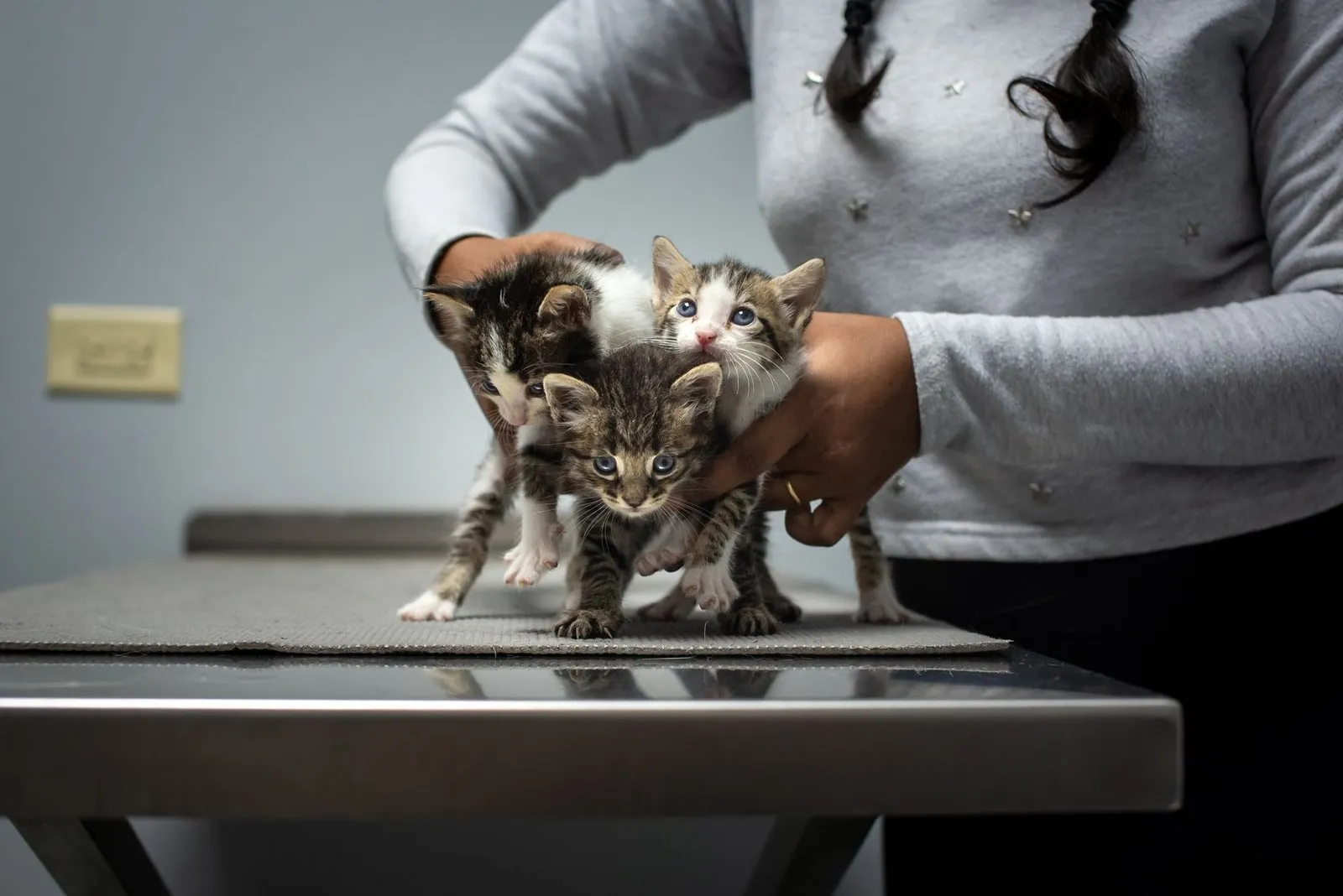
Most kittens come home at about nine weeks old, just as their care starts to need a calendar. Here is what happens and when, so you can plan the visits rather than react to them. For your own kitten’s dates, the health planner lays it all out on a timeline.
Give your kitten one quiet room with food, water, a litter tray and somewhere to hide. Book a first check within the first week. We look for fleas, ear mites and anything the breeder may have missed, and talk about food.
Two vaccinations, three weeks apart, each with a full health check. The course costs £84 in total. Your kitten is protected about a week after the second injection.
Kittens need worming more often than adult cats: every two weeks until twelve weeks old, then monthly until six months. Use a vet product sized for their weight; supermarket treatments are often not strong enough, and some dog flea treatments are poisonous to cats.
Fitted at the first vaccination for £24, or free on the health plan. It takes seconds and most kittens don’t notice.
We neuter kittens from four months old, before they go outside. Females can get pregnant from about four months, so earlier really is better. A spay is £165 and a castration £120, as day surgery.
Once your kitten has finished the course, been neutered and is microchipped, they are ready. Go out together before a meal, so they come back hungry, and keep the first trips short.
How much is dangerous, why the first two hours matter, and what we do when you arrive. Written by the vets who take these calls at 10pm.
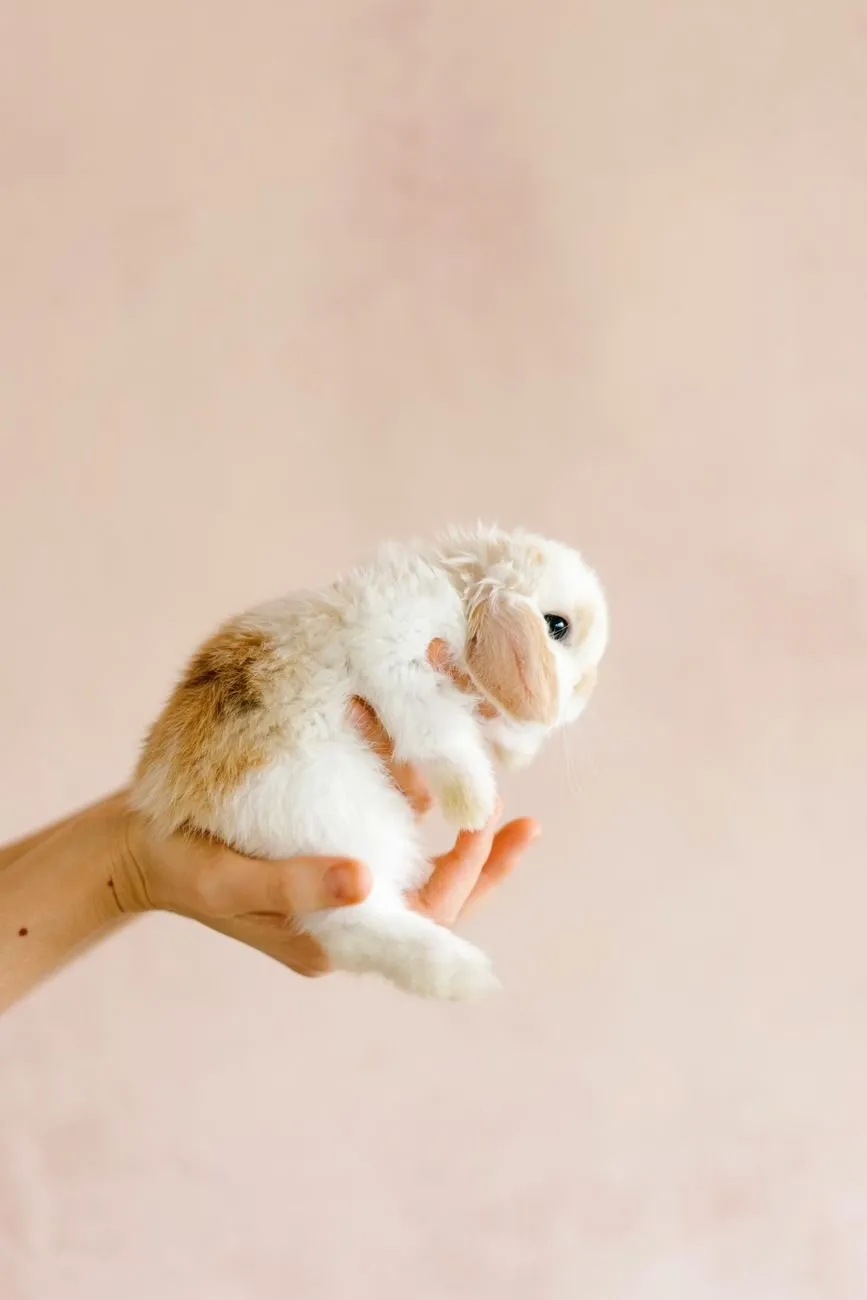
Rabbit teeth never stop growing. How to spot a problem at home, what we look for, and why hay is the best dental care there is.