
Dogs 18 September 2026 5 min read
My dog ate chocolate. What do I do now?
How much is dangerous, why the first two hours matter, and what we do when you arrive. Written by the vets who take these calls at 10pm.
Out of hours? Call 24/7 01632 960 247
Rabbit teeth never stop growing. How to spot a problem at home, what we look for, and why hay is the best dental care there is.
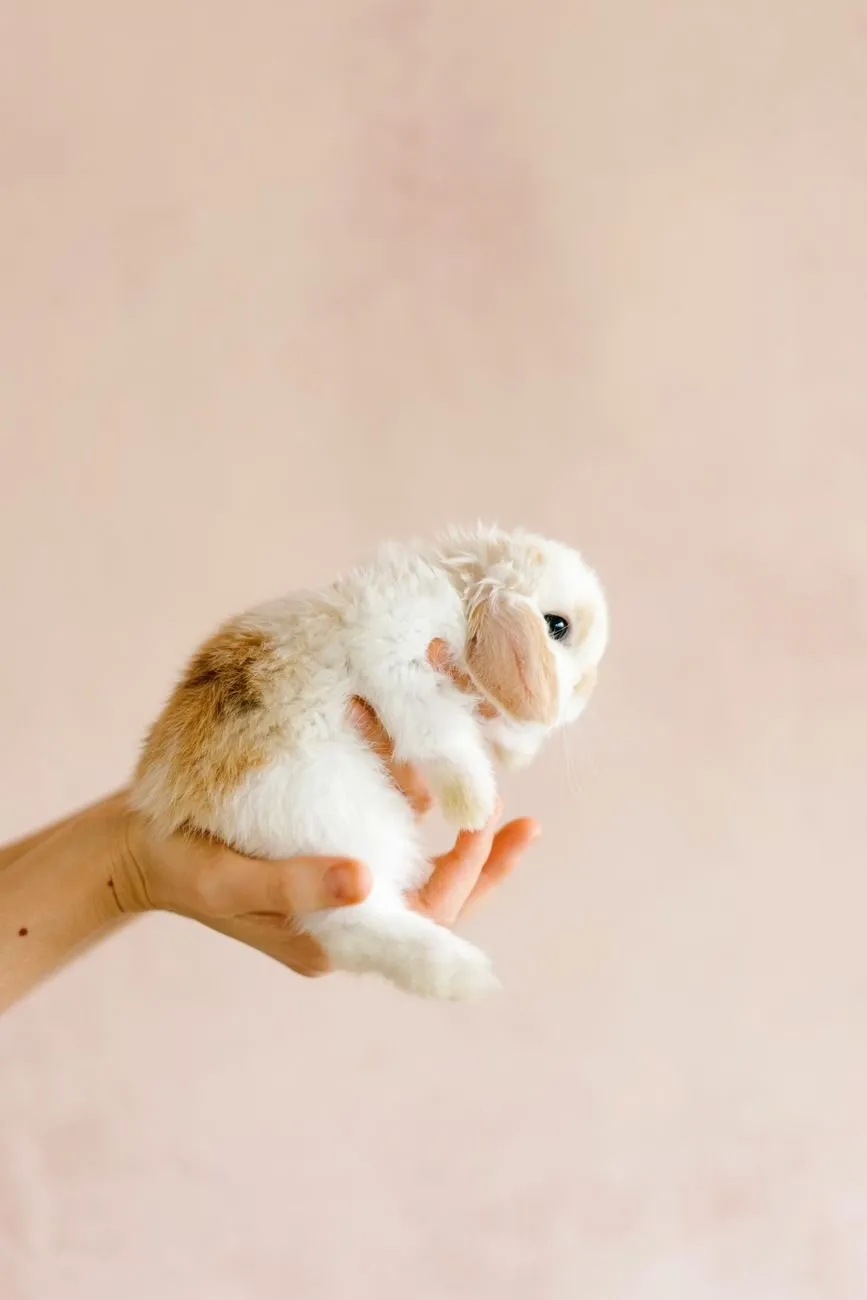
A rabbit’s teeth grow two to three millimetres a week, all their lives. In the wild, hours of chewing tough grass wears them down at the same rate. In a hutch with a bowl of pellets, they often don’t wear evenly, and that is where the trouble starts.
The front teeth can overgrow until the rabbit cannot close its mouth. More often, the back teeth form sharp spurs that dig into the tongue and cheeks. Both hurt, and a rabbit in pain eats less. A rabbit that eats less can go into gut stasis, which is an emergency.
If your rabbit has stopped eating altogether, don’t wait for an appointment: call us the same day, or the 24/7 line out of hours.
We look at the front teeth, then use a scope to see the back ones, feel the jaw for lumps and weigh your rabbit. It takes a few minutes in a normal consultation and is included in the health plan. If spurs have formed, we burr them smooth under a light sedation, usually as a day patient.
A rabbit’s diet should be about 85% hay or grass: a pile the size of their body every day. Add a handful of leafy greens and only an egg-cup of pellets. No muesli-style mixes; rabbits pick out the sweet bits and leave the rest. Guinea pigs need the same, plus vitamin C every day.
How much is dangerous, why the first two hours matter, and what we do when you arrive. Written by the vets who take these calls at 10pm.
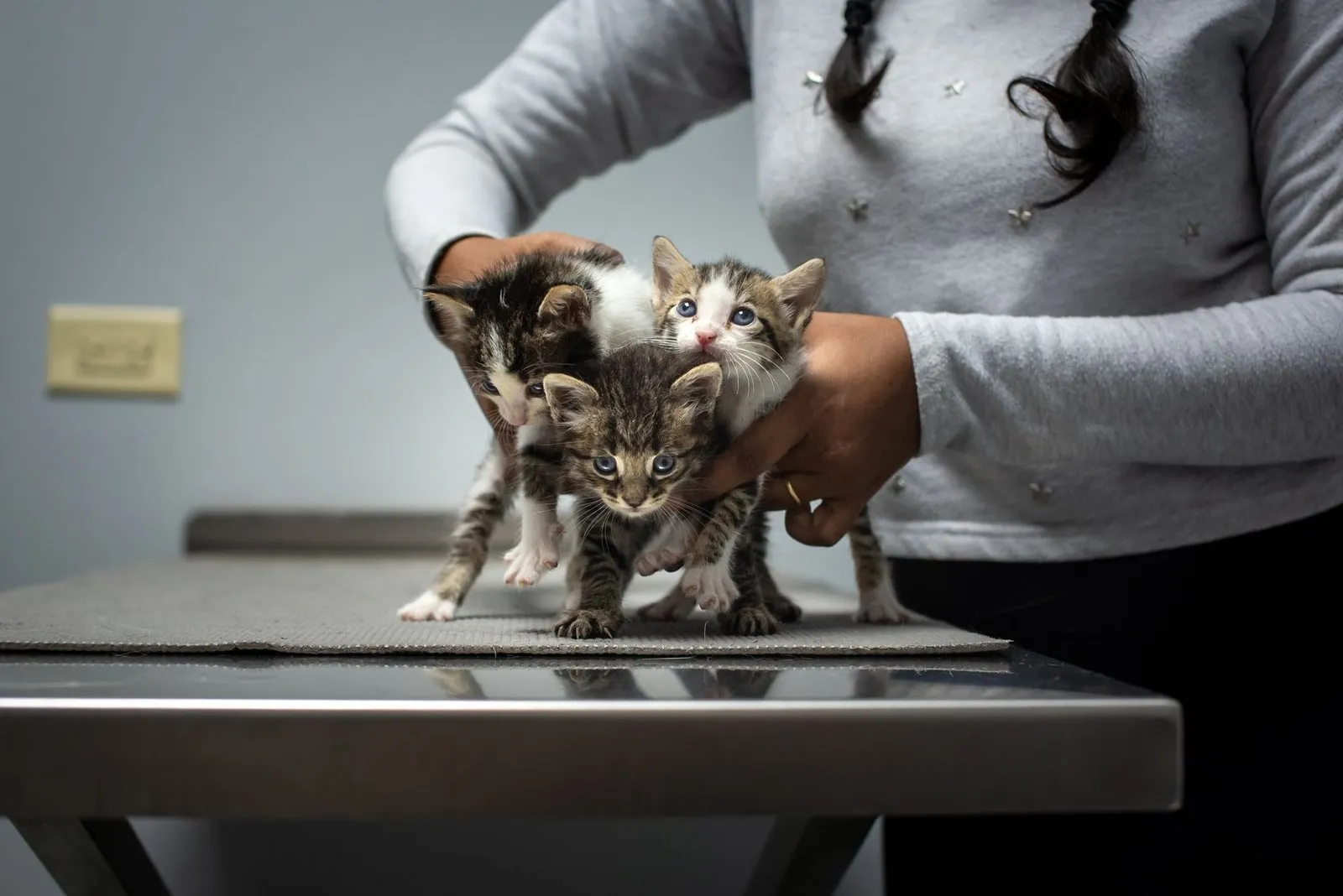
Vaccinations, worming, microchip, neutering and the first trip outside, in the order they happen, with what each one costs here.